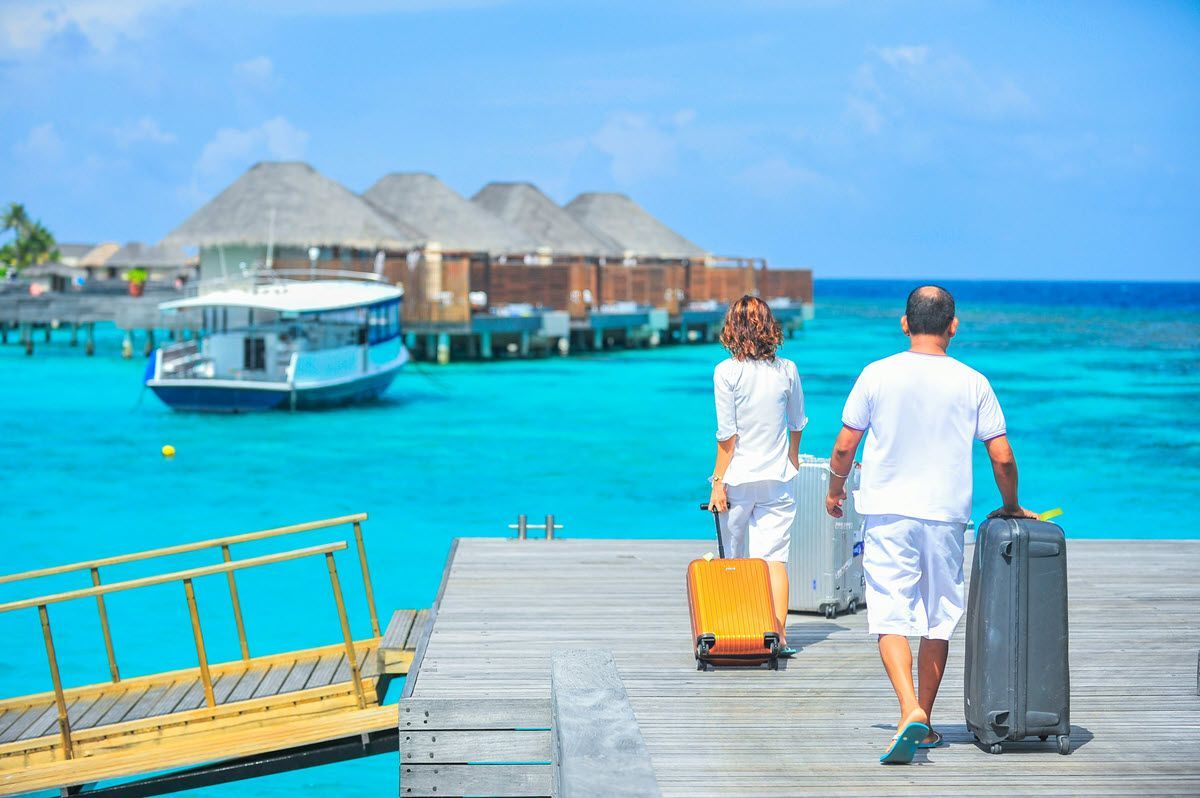
Travel is one of life's greatest joys. Whether you're planning a weekend road trip or a long-awaited international adventure, the excitement of setting off somewhere new is hard to beat. But the best trips are the ones where the surprises are good ones. A little preparation before you leave home, especially when it comes to your health coverage, can mean the difference between a smooth journey and a stressful one.
Here's how to set yourself up for a healthy, worry-free trip.
1. Know What Your Health Plan Covers — and Where
Before you book anything, take a few minutes to review your health insurance coverage in the context of your destination.
If you have an individual health plan, check whether your insurer's network extends to where you're traveling. Some plans only cover in-network or in-state providers, while others include broader emergency coverage.
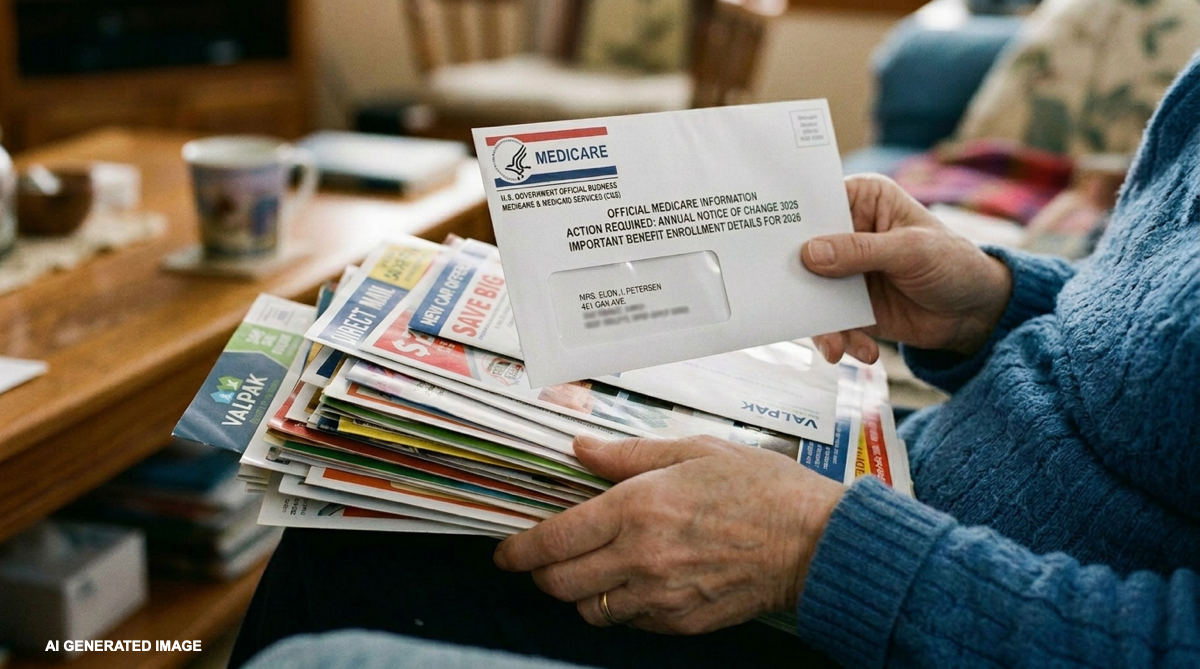
If you're on Medicare, here's what you need to know: Original Medicare (Parts A & B) typically doesn’t cover medical care outside the U.S., except in limited circumstances. If you have a Medicare Advantage Plan, it may include emergency and urgent coverage abroad, but this varies by provider. Check your plan’s Evidence of Coverage or speak to your plan provider before traveling.
If you have questions about your coverage, we can help review your policy and fill any gaps before you travel.
2. Consider Supplemental Travel Coverage
If your existing coverage has gaps, there are several supplemental options worth exploring:
- International Travel Insurance covers emergency care during trips outside the U.S. and is generally affordable for short-term travel. Look for plans with medical evacuation coverage.
- Medicare Supplement Insurance (Medigap) — certain Medigap plans cover foreign travel emergency care up to plan limits, generally after a deductible. If you have a Medigap policy, check your plan details to see if foreign travel emergency coverage is included.
We can help you sort through your options and find coverage that fits your trip.
3. Smart Packing: What to Bring on the Plane
When it comes to medications and medical devices, one rule applies: keep them with you. Always pack prescriptions, medical devices, and essential health supplies in your carry-on bag — never in checked luggage. Bags get delayed or lost, and being without critical medications can turn a vacation into a medical emergency.
A few things to know before you reach the airport:
- Medications: Bring enough for your full trip plus a few extra days. Keep medications in their original labeled pharmacy containers when possible because it speeds up TSA screening and reduces customs questions.
- Medical devices: CPAP machines, nebulizers, insulin pumps, and similar devices are permitted on most flights, but it is wise to carry a physician's letter explaining your need for the device. If you use a portable oxygen concentrator, notify your airline at least 48 hours in advance, as most carriers require it.
- Implanted devices: Carry your device identification card and inform TSA officers before screening if you have a pacemaker, defibrillator, or similar device.
For specific questions, visit tsa.gov or call the TSA Cares helpline before your trip.
4. Have Easy Access to Your Medical Information
A health emergency is stressful enough without having to scramble for basic information. Before you leave, put together a simple travel health packet that includes:
- Your insurance and/or Medicare cards
- Emergency contact numbers, including country codes for international travel
- A current medication list with dosages
- A summary of any allergies or significant medical conditions. If you are traveling somewhere English isn't widely spoken, consider having it translated.
Keep the originals in a waterproof sleeve in your bag and leave a copy with someone you trust back home.
5. Take Care of Preventive Health Before You Go
Most insurance plans cover preventive care at no additional cost, so use it. Before your trip, make sure you're current on vaccinations, including flu, COVID-19, and tetanus. For international travel, check the CDC's destination-specific recommendations, which may include Hepatitis A or B, typhoid, yellow fever, or other vaccines depending on your destination.
6. Protect Yourself from Health-Related Fraud
Travelers are frequent targets for scams, and health information is no exception.
If you're a Medicare beneficiary, guard your Medicare number the same way you'd protect a credit card.
- Only share Medicare or insurance information on official websites or with verified agents.
- When you return home, watch your Explanation of Benefits for any claims you don't recognize.
7. Have an Emergency Preparedness Plan
A little research can go a long way if something goes wrong. Before you arrive at your destination:
- Identify the nearest hospital or urgent care facility, confirm whether they accept your insurance, and understand the process if you need medical evacuation.
- Know the medical emergency phone number at your destination. What is the equivalent of calling 9-1-1?
- In international locations, remember that you may encounter language barriers, unfamiliar billing practices, and different standards of care. The U.S. Embassy or Consulate at your destination can often provide referrals to local English-speaking physicians and hospitals.
8. Keep Your Body in Good Shape Along the Way
It's very easy to leave good habits behind when you head out on a trip, but taking care of your body is important for a good vacation.
- Move regularly: Stretch and walk every few hours, especially on long flights or car rides.
- Hydrate, hydrate, hydrate! Drink plenty of water to counter the effects of extra activities, extra sun, and extra food and drink.
- Eat balanced meals: Meals on the go tend to lack a healthy dose of fiber, which can lead to digestive distress. Be sure to seek out veggies and whole grains, and consider bringing a fiber supplement with you.
- Rest: Fatigue lowers immunity. Don't skip on sleep.
- Keep germs at bay: Use hand sanitizer, wash your hands frequently, and consider wearing a mask on crowded airplanes or mass transit.
Conclusion
A great trip starts long before you leave home. By reviewing your coverage, filling any gaps, organizing your health information, and taking a few smart precautions, you can travel with real confidence. Whether you're hiking the Rockies or relaxing on a beach abroad, being prepared means your focus stays where it belongs — on the adventure ahead.
Safe travels!